World Leaders Gather in Asia as US-China Rivalry Puts Global Security and Trade in Focus

- Update Time : 02:41:24 pm, Sunday, 15 November 2026
- / 23 View
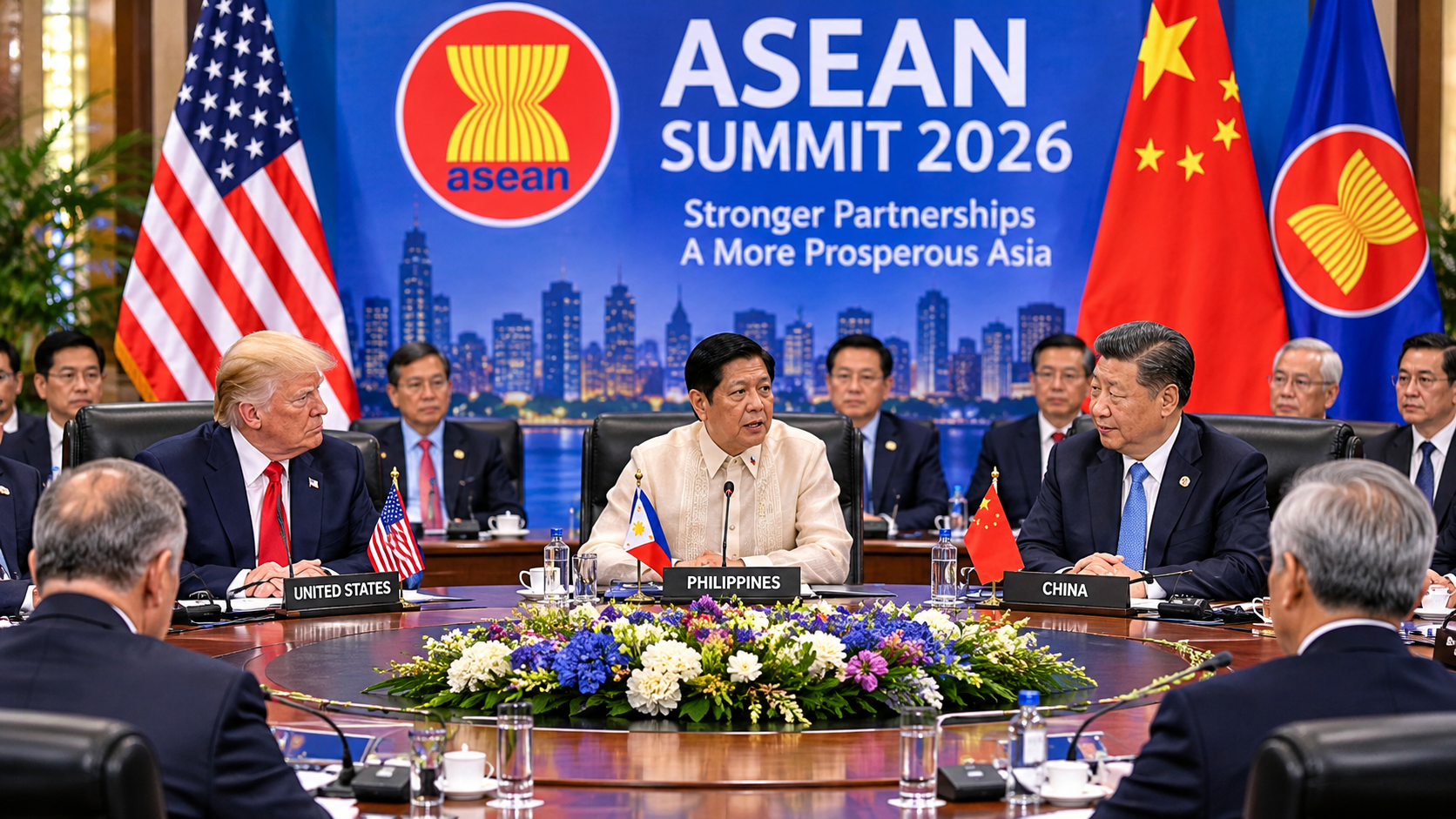
World leaders gather in Asia to discuss US-China tensions, global trade, regional security and energy challenges at major ASEAN and APEC summits.
Asia Becomes the Centre of Global Diplomacy
Asia is taking centre stage in international politics as world leaders gather for a series of major diplomatic meetings focused on global security, international trade and economic cooperation. The meetings come at a critical moment as tensions between major powers, particularly the United States and China, continue to influence international relations.
The diplomatic activity includes the 49th Association of Southeast Asian Nations (ASEAN) Summit in Manila, the Philippines, followed by the Asia-Pacific Economic Cooperation (APEC) Economic Leaders’ Meeting in Shenzhen, China.
With conflicts in the Middle East, the war in Ukraine and growing economic uncertainty creating challenges for governments worldwide, these meetings provide an important opportunity for international leaders to discuss shared problems and strengthen diplomatic relationships.
The outcome of these discussions could influence the future direction of international trade, regional security and political cooperation.
ASEAN Summit Brings World Leaders to the Philippines
Southeast Asian leaders officially opened the 49th ASEAN Summit in Manila on November 15, beginning three days of important discussions about regional and international challenges.
Philippine President Ferdinand Marcos Jr. is hosting the summit, which brings together leaders and representatives from Southeast Asian countries and international partner nations.
The discussions are expected to focus on regional security, economic development, energy supplies, the situation in Myanmar and tensions in the South China Sea.
The summit also provides an opportunity for ASEAN members to strengthen cooperation and discuss how the region can respond to growing international uncertainty.
The United States is among the major international partners participating in the diplomatic activities. President Donald Trump is expected to visit Manila for meetings with regional leaders before travelling to China for the APEC summit.
US-China Rivalry Remains a Major Global Concern
Competition between Washington and Beijing remains one of the biggest challenges in international politics.
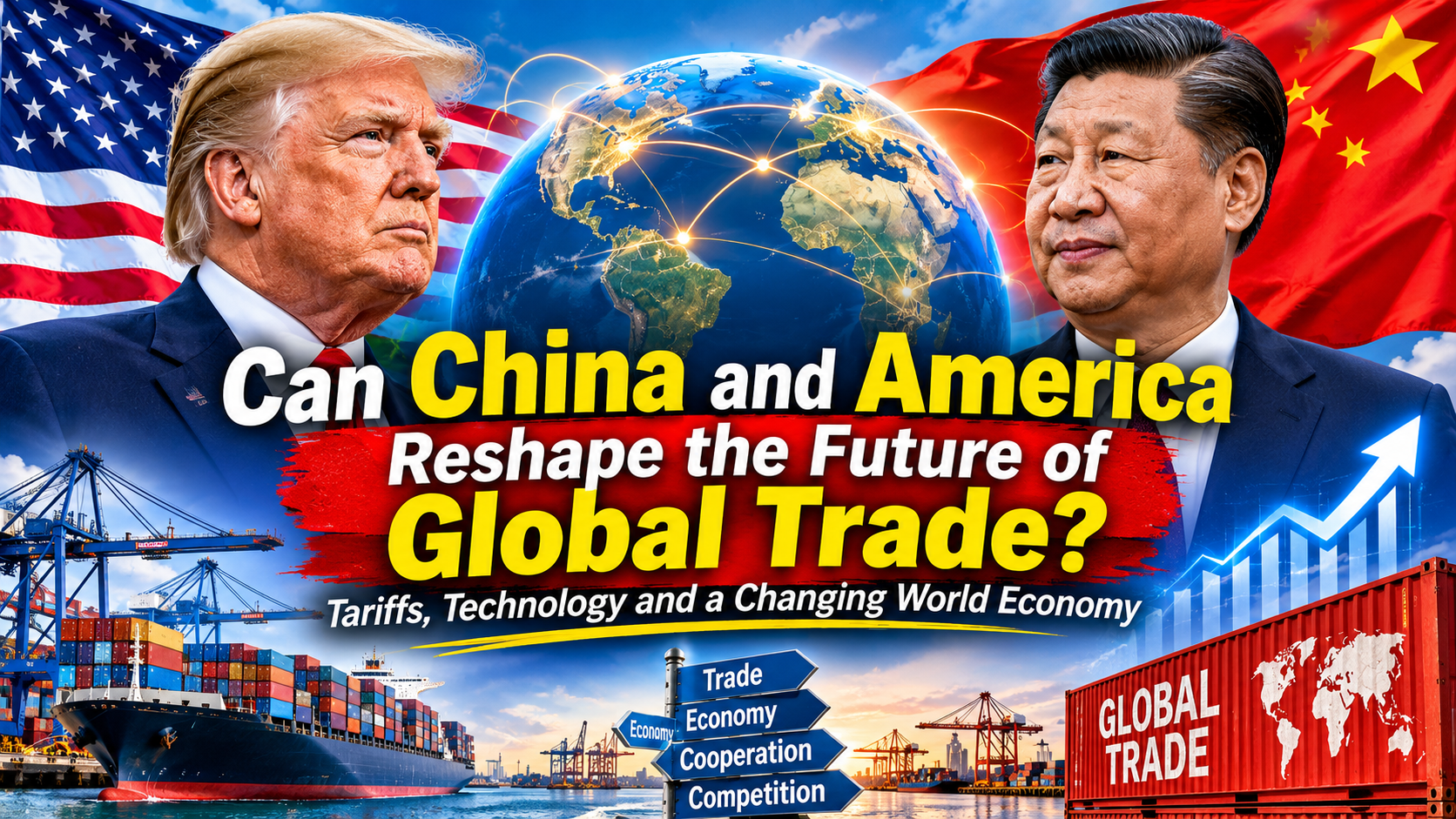
The United States and China are two of the world’s most influential economic and military powers. Their relationship affects international trade, technology development, manufacturing, investment and global security.
Over recent years, disagreements over tariffs, technology restrictions, industrial competition and national security have created uncertainty for businesses and governments.
For many Asian economies, maintaining positive relationships with both countries is particularly important.
Countries across Southeast Asia have strong economic connections with China while also maintaining important security and trade partnerships with the United States.
As a result, regional governments face the challenge of protecting their national interests without becoming caught between competing global powers.
The upcoming diplomatic discussions could provide opportunities to reduce tensions and encourage greater economic cooperation.
Trump, Xi and Putin Expected to Meet in China
One of the most closely watched developments surrounding the APEC summit is the expected meeting involving US President Donald Trump, Chinese President Xi Jinping and Russian President Vladimir Putin.
According to reporting by Reuters, a trilateral meeting is expected to take place on the sidelines of the APEC gathering in Shenzhen.
The discussions are expected to include nuclear arms control and other international security issues.
The meeting would bring together three leaders whose countries have significant influence over global security and international diplomacy.
However, expectations should remain cautious. A meeting between major world leaders does not automatically mean that important disagreements will be resolved.
Differences over military strategy, economic competition and international conflicts remain significant obstacles.
Nevertheless, direct communication between Washington, Beijing and Moscow could create opportunities for diplomatic engagement.
South China Sea Tensions Remain a Security Challenge
The South China Sea is another important issue expected to influence discussions among regional leaders.
The waterway is one of the world’s most important international shipping routes, connecting major Asian economies with markets across Europe, the Middle East and other regions.
China, the Philippines, Vietnam, Malaysia and Brunei have overlapping maritime claims in parts of the region.
Disagreements over territorial rights, fishing activities and maritime operations have repeatedly created tensions between neighbouring countries.
For the Philippines, maritime security is particularly important because of its geographical position and ongoing disputes with China.
The United States has also expressed support for freedom of navigation and international maritime law.
ASEAN members have continued discussions about establishing a code of conduct with China to help manage disputes and prevent potential confrontations.
A peaceful solution would benefit regional stability and international trade.
Global Trade Faces New Challenges
International trade is expected to be another major subject during the diplomatic meetings.
Recent US tariff measures have created uncertainty for several Southeast Asian economies that depend heavily on exports.
Countries across the region play important roles in global manufacturing, particularly in electronics, automobiles, machinery and consumer products.
Changes in trade policies can affect production costs, investment decisions and employment opportunities.
For businesses operating internationally, predictable trade relationships are essential.
ASEAN countries are therefore looking for opportunities to strengthen regional trade and expand economic partnerships with international markets.
Improving cooperation between member economies could help reduce dependence on individual markets and make regional supply chains more resilient.
Energy Security Becomes an Urgent Priority
Energy security has become another major concern for Southeast Asian governments.
The continuing US-Israel war involving Iran has contributed to concerns about oil supplies and international energy transportation.
Many countries in Southeast Asia depend on imported energy to support electricity generation, transportation and industrial production.
Disruptions to important shipping routes could increase energy prices and create additional pressure on national economies.
Higher fuel costs can also affect household budgets, transportation expenses and the prices of everyday goods.
For this reason, ASEAN leaders are expected to discuss ways to improve energy cooperation, strengthen supply chains and protect regional economic stability.
Diversifying energy sources and investing in renewable energy could also become increasingly important for countries seeking greater long-term energy security.
Myanmar Crisis Remains on ASEAN’s Agenda
The political and humanitarian situation in Myanmar continues to challenge regional cooperation.
The country has experienced prolonged conflict following the military takeover in February 2021.
Fighting between military forces and resistance groups has displaced large numbers of people and created serious humanitarian difficulties.
ASEAN has attempted to encourage dialogue and peaceful solutions through its Five-Point Consensus.
However, progress has remained limited, and differences among regional governments have complicated efforts to resolve the crisis.
The situation remains an important issue for Southeast Asian leaders because prolonged instability in Myanmar can affect neighbouring countries through migration, security concerns and economic disruption.
Continued diplomatic engagement will be necessary to support humanitarian assistance and encourage a peaceful political solution.
What These Meetings Could Mean for the Future
The diplomatic meetings taking place across Asia could have consequences extending far beyond the region.
For Southeast Asian countries, stronger international partnerships could create opportunities for investment, economic development and improved regional security.
For the United States and China, diplomatic engagement could help manage disagreements over trade, technology and military competition.
Other countries, including Australia, Japan, South Korea and Canada, also have important interests in maintaining a stable Indo-Pacific region.
However, major international disagreements are unlikely to disappear after a few diplomatic meetings.
The real importance of these gatherings will depend on whether leaders can translate discussions into practical agreements and long-term cooperation.
Conclusion
The gathering of world leaders across Asia highlights the region’s growing importance in international politics and economic development.
From US-China competition and South China Sea tensions to energy security and global trade, the discussions taking place in Manila and Shenzhen could influence important international decisions in the coming months.
For Southeast Asia, maintaining balanced relationships with major global powers will remain essential.
Although significant political and economic challenges remain, diplomacy and international cooperation offer important opportunities to prevent conflicts and strengthen global stability.
As the world watches developments across Asia, the decisions made during these meetings could help shape the future of international relations.
SOURCES:
*Reuters
*Associated Press (AP News)
XARLIN DESK