Singapore 7:15 am, Wednesday, 25 November 2026

Australia and Philippines Sign New Defence Agreement in 2026

  • Update Time : 01:19:27 pm, Sunday, 15 November 2026
  • / 29 View

Australia and the Philippines have signed a new defence cooperation agreement aimed at strengthening regional security, improving military coordination and addressing growing tensions in the South China Sea.

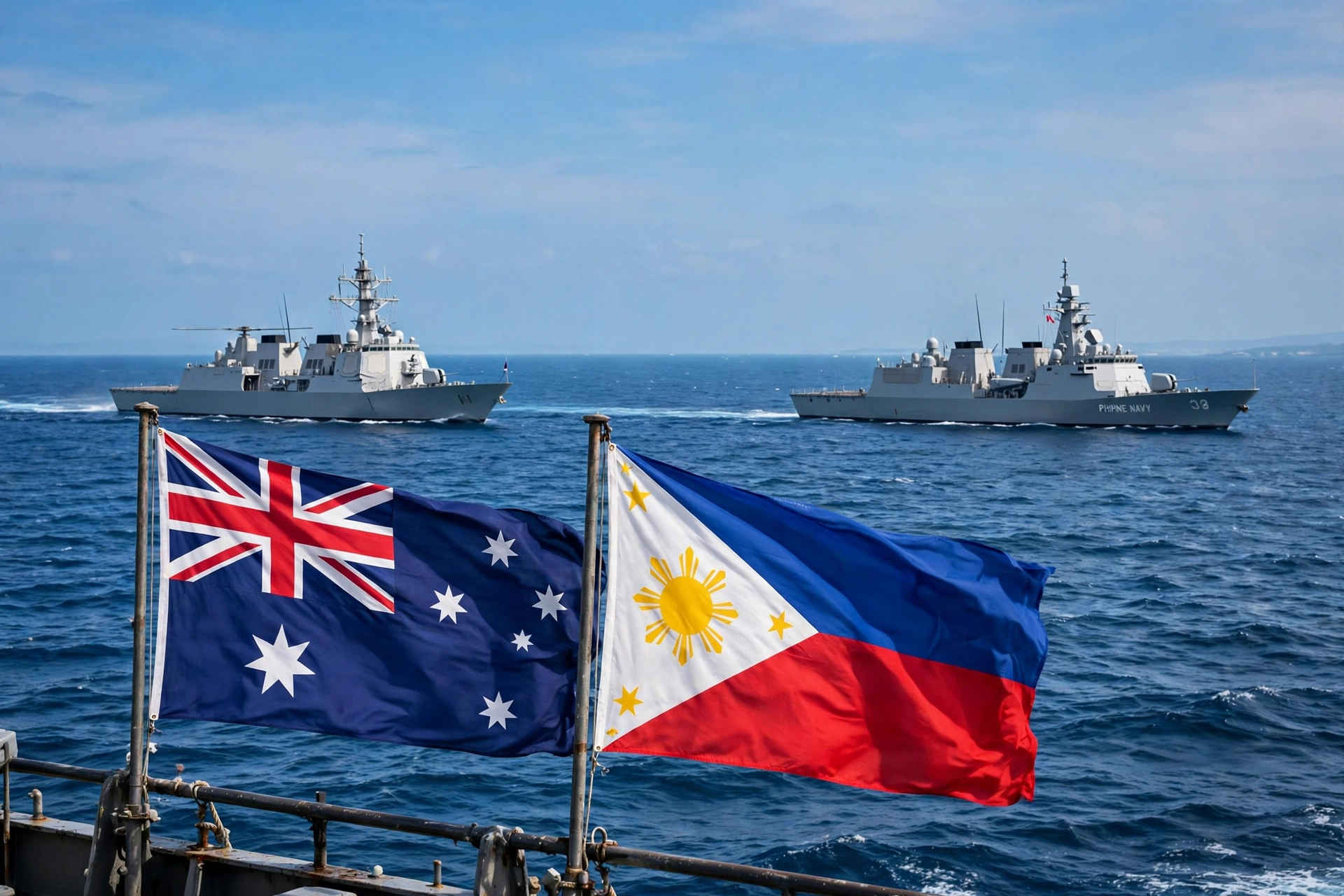
Australia and the Philippines have taken another significant step towards strengthening their strategic partnership after signing a new defence cooperation arrangement in Manila on Sunday, November 15, 2026.

The agreement comes at a time when tensions in the Indo-Pacific region continue to attract international attention, particularly over competing territorial claims and growing military activities in the South China Sea.

Australian Prime Minister Anthony Albanese witnessed the signing ceremony during his visit to the Philippines for the Association of Southeast Asian Nations (ASEAN) summit.

What Does the New Defence Agreement Include?

The new arrangement is designed to make military cooperation between the two countries faster and more effective.

Philippine Defence Secretary Gilberto Teodoro said the agreement would simplify administrative procedures under the existing Status of Visiting Forces Agreement, making it easier for both countries to organise joint military activities.

The agreement covers several important areas, including:

  • Maritime security and joint naval activities.
  • Military training and operational cooperation.
  • Intelligence and information sharing.
  • Air, land and maritime defence coordination.
  • Defence infrastructure development.
  • Humanitarian assistance and disaster response.

These measures are expected to improve coordination between the Australian and Philippine armed forces while strengthening their ability to respond to regional security challenges.

Why Is the South China Sea Important?

The South China Sea is one of the world’s most strategically important waterways. It plays a major role in international shipping, global trade and regional economic activity.

Several countries, including China, the Philippines, Vietnam, Malaysia and Brunei, have overlapping territorial and maritime claims in the region.

The Philippines has repeatedly raised concerns about China’s activities in disputed waters. Australia has also expressed support for international law and freedom of navigation in the Indo-Pacific.

In 2016, an international arbitral tribunal ruled against the legal basis of China’s expansive maritime claims under the United Nations Convention on the Law of the Sea. China rejected the ruling.

The latest defence agreement reflects Australia’s growing interest in regional stability and its commitment to working more closely with Southeast Asian partners.

Australia to Support Maritime Security and Surveillance

Beyond military cooperation, Australia has also announced additional support for maritime security capabilities across Southeast Asia.

The initiative includes assistance involving aerial and surface drones, secure communications equipment and specialist training.

These capabilities are intended to help regional partners improve maritime monitoring, identify potential security threats and strengthen cybersecurity resilience.

Improved maritime surveillance is particularly important for countries that depend heavily on international shipping routes and coastal security.

For Australia, maintaining safe and stable maritime corridors is also important for protecting trade and economic interests.

What Could This Mean for Regional Security?

For the Philippines, closer cooperation with Australia could improve military coordination, maritime awareness and disaster-response capabilities.

For Australia, the partnership strengthens its diplomatic and security relationships in Southeast Asia.

However, increased defence cooperation could also attract criticism from countries that oppose expanded military activities in the region.

China has consistently opposed military cooperation involving the Philippines and its international partners, arguing that such activities could increase regional tensions.

Maintaining diplomatic communication and respecting international law will therefore remain important as regional security partnerships develop.

Conclusion

The new Australia–Philippines defence cooperation arrangement represents another important development in Indo-Pacific security relations.

By improving military coordination, strengthening maritime surveillance and expanding defence partnerships, both countries are seeking to address shared security challenges.

As competition and territorial disputes continue to shape the region, the agreement demonstrates Australia’s intention to play an active role in supporting a peaceful, stable and secure Indo-Pacific.

The long-term impact will depend on how effectively both countries implement the agreement while maintaining diplomatic engagement with other regional partners.

sources:

XARLIN DESK

Australia and Philippines Sign New Defence Agreement in 2026

Update Time : 01:19:27 pm, Sunday, 15 November 2026

Australia and the Philippines have signed a new defence cooperation agreement aimed at strengthening regional security, improving military coordination and addressing growing tensions in the South China Sea.

Australia and the Philippines have taken another significant step towards strengthening their strategic partnership after signing a new defence cooperation arrangement in Manila on Sunday, November 15, 2026.

The agreement comes at a time when tensions in the Indo-Pacific region continue to attract international attention, particularly over competing territorial claims and growing military activities in the South China Sea.

Australian Prime Minister Anthony Albanese witnessed the signing ceremony during his visit to the Philippines for the Association of Southeast Asian Nations (ASEAN) summit.

What Does the New Defence Agreement Include?

The new arrangement is designed to make military cooperation between the two countries faster and more effective.

Philippine Defence Secretary Gilberto Teodoro said the agreement would simplify administrative procedures under the existing Status of Visiting Forces Agreement, making it easier for both countries to organise joint military activities.

The agreement covers several important areas, including:

  • Maritime security and joint naval activities.
  • Military training and operational cooperation.
  • Intelligence and information sharing.
  • Air, land and maritime defence coordination.
  • Defence infrastructure development.
  • Humanitarian assistance and disaster response.

These measures are expected to improve coordination between the Australian and Philippine armed forces while strengthening their ability to respond to regional security challenges.

Why Is the South China Sea Important?

The South China Sea is one of the world’s most strategically important waterways. It plays a major role in international shipping, global trade and regional economic activity.

Several countries, including China, the Philippines, Vietnam, Malaysia and Brunei, have overlapping territorial and maritime claims in the region.

The Philippines has repeatedly raised concerns about China’s activities in disputed waters. Australia has also expressed support for international law and freedom of navigation in the Indo-Pacific.

In 2016, an international arbitral tribunal ruled against the legal basis of China’s expansive maritime claims under the United Nations Convention on the Law of the Sea. China rejected the ruling.

The latest defence agreement reflects Australia’s growing interest in regional stability and its commitment to working more closely with Southeast Asian partners.

Australia to Support Maritime Security and Surveillance

Beyond military cooperation, Australia has also announced additional support for maritime security capabilities across Southeast Asia.

The initiative includes assistance involving aerial and surface drones, secure communications equipment and specialist training.

These capabilities are intended to help regional partners improve maritime monitoring, identify potential security threats and strengthen cybersecurity resilience.

Improved maritime surveillance is particularly important for countries that depend heavily on international shipping routes and coastal security.

For Australia, maintaining safe and stable maritime corridors is also important for protecting trade and economic interests.

What Could This Mean for Regional Security?

For the Philippines, closer cooperation with Australia could improve military coordination, maritime awareness and disaster-response capabilities.

For Australia, the partnership strengthens its diplomatic and security relationships in Southeast Asia.

However, increased defence cooperation could also attract criticism from countries that oppose expanded military activities in the region.

China has consistently opposed military cooperation involving the Philippines and its international partners, arguing that such activities could increase regional tensions.

Maintaining diplomatic communication and respecting international law will therefore remain important as regional security partnerships develop.

Conclusion

The new Australia–Philippines defence cooperation arrangement represents another important development in Indo-Pacific security relations.

By improving military coordination, strengthening maritime surveillance and expanding defence partnerships, both countries are seeking to address shared security challenges.

As competition and territorial disputes continue to shape the region, the agreement demonstrates Australia’s intention to play an active role in supporting a peaceful, stable and secure Indo-Pacific.

The long-term impact will depend on how effectively both countries implement the agreement while maintaining diplomatic engagement with other regional partners.

sources: