Singapore 8:06 pm, Wednesday, 25 November 2026

Malaysia Weighs AirAsia Support Without Using Public Funds

  • Update Time : 07:04:36 am, Friday, 13 November 2026
  • / 19 View

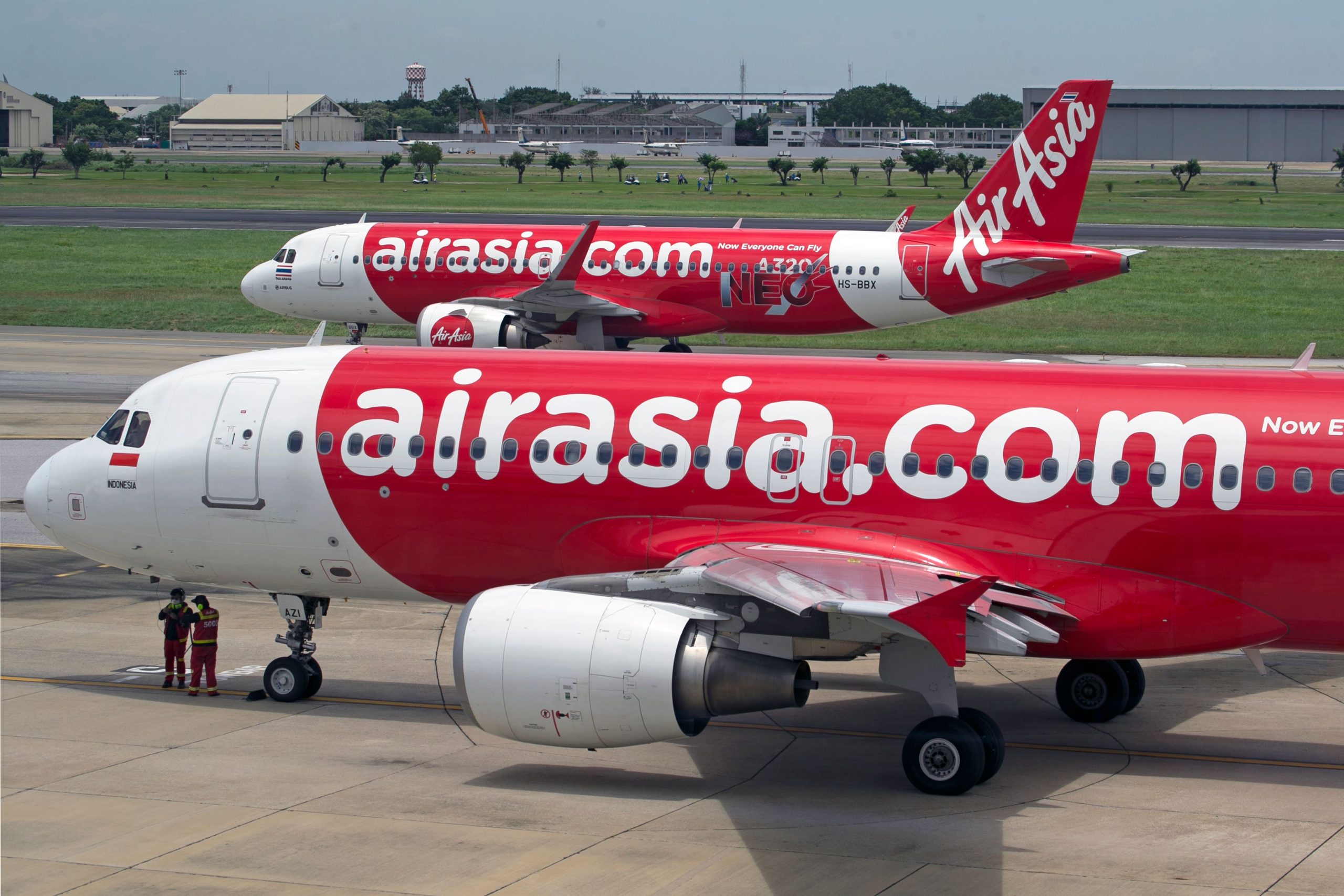
Malaysia is exploring ways to support AirAsia, one of the country’s key aviation providers, without using taxpayer funds, Transport Minister Anthony Loke said. The effort reflects a careful balance: maintaining essential air links while protecting public finances and recognizing AirAsia’s status as a private company.

The Context: AirAsia’s Financial Position in 2026

AirAsia Group Bhd continues to face financial pressure. For the second quarter ending June 30, 2026, the low-cost carrier reported a net loss of RM527.16 million and current liabilities of about RM18.4 billion. Jet fuel costs rose 58% year-on-year, while unfavourable exchange rates added strain to cash flow. Still, AirAsia remains a major part of Malaysia’s aviation sector, carrying about 60% of domestic passengers and employing roughly 17,000 people across the region.

The airline says it is not seeking a government bailout. Founder and adviser Tan Sri Tony Fernandes said AirAsia has more than RM1 billion in cash reserves and is pursuing private refinancing, including up to US$1 billion in financing through international markets, to restructure debt and extend repayment timelines.

Government Stance: Protection First, Support Second

Anthony Loke outlined the Malaysian government’s position:

“AirAsia is a private company, unlike Malaysia Airlines. Any support has to be arranged formally. The government is not going to pump in money just like that.”

Prime Minister and Finance Minister Anwar Ibrahim reinforced this stance in a written parliamentary response, saying no decision or financial commitment had been made to AirAsia. Any request for support would be assessed against three principles: national interest, fiscal sustainability, and protection of public funds. Any decision would follow the law and undergo proper scrutiny.

The cautious approach comes amid public concern about accountability in government spending. After high-profile financial scandals in recent years, taxpayers remain sensitive to the possibility of public money being used to support private businesses. The government’s message is clear: air connectivity matters, as does trust in the way public funds are managed.

What Forms of Support Are Being Considered?

Although direct cash injections appear to be off the table, the government is reviewing other ways to ease AirAsia’s financial pressure without shifting its debts or risks to the public:

Credit support and loan guarantees: The government could provide limited guarantees to help AirAsia borrow at lower interest rates. That could ease repayment costs without immediate spending, but taxpayers could face losses if the airline defaults. Any guarantee would be temporary and conditional.

Regulatory flexibility: Adjusting the timing of payments for landing charges or aviation levies could give the airline short-term cash-flow relief during a period of high operating costs, without waiving the fees.

Contingency planning: The Transport Ministry says it is discussing with Malaysia Airlines and Batik Air the possibility of temporarily serving key domestic routes if AirAsia faces major disruption. Officials describe this as scenario planning, not a takeover, to help keep Sabah, Sarawak, and regional parts of Peninsular Malaysia connected.

Why This Matters for Malaysia’s Economy

AirAsia does more than carry passengers. It supports regional tourism, small-business logistics, and domestic travel. Its network connects more than 100 destinations across Asia, making it a key travel option for millions of Malaysians and visitors. A sharp cut in services could mean higher fares, less competition, and job losses in sectors such as hospitality and retail.

At the same time, fair competition must be protected. Malaysia Airlines Group CEO Nasaruddin Bakar has said any government support should be available to all airlines on equal terms. Assistance must not distort the market or disadvantage competitors that have managed their finances differently.

The Path Forward: Responsibility and Resilience

The review’s outcome is expected in the coming weeks, but the principles guiding the decision are already clear. The Malaysian government is showing that support and accountability can go hand in hand. It can recognize the importance of a critical industry while maintaining fiscal discipline. It can offer help without arranging a bailout, and acknowledge AirAsia’s role while holding the private company responsible for its recovery.

The message to AirAsia is just as clear: the government wants to keep Malaysia connected, but will not assume the airline’s debt. The way forward lies in restructuring, greater efficiency, and renewed market confidence—not shifting the burden to taxpayers. As both sides work through the challenges, lasting stability will depend on sound financial foundations, not continued reliance on public funds.

Tags:
XARLIN DESK

Malaysia Weighs AirAsia Support Without Using Public Funds

Update Time : 07:04:36 am, Friday, 13 November 2026

Malaysia is exploring ways to support AirAsia, one of the country’s key aviation providers, without using taxpayer funds, Transport Minister Anthony Loke said. The effort reflects a careful balance: maintaining essential air links while protecting public finances and recognizing AirAsia’s status as a private company.

The Context: AirAsia’s Financial Position in 2026

AirAsia Group Bhd continues to face financial pressure. For the second quarter ending June 30, 2026, the low-cost carrier reported a net loss of RM527.16 million and current liabilities of about RM18.4 billion. Jet fuel costs rose 58% year-on-year, while unfavourable exchange rates added strain to cash flow. Still, AirAsia remains a major part of Malaysia’s aviation sector, carrying about 60% of domestic passengers and employing roughly 17,000 people across the region.

The airline says it is not seeking a government bailout. Founder and adviser Tan Sri Tony Fernandes said AirAsia has more than RM1 billion in cash reserves and is pursuing private refinancing, including up to US$1 billion in financing through international markets, to restructure debt and extend repayment timelines.

Government Stance: Protection First, Support Second

Anthony Loke outlined the Malaysian government’s position:

“AirAsia is a private company, unlike Malaysia Airlines. Any support has to be arranged formally. The government is not going to pump in money just like that.”

Prime Minister and Finance Minister Anwar Ibrahim reinforced this stance in a written parliamentary response, saying no decision or financial commitment had been made to AirAsia. Any request for support would be assessed against three principles: national interest, fiscal sustainability, and protection of public funds. Any decision would follow the law and undergo proper scrutiny.

The cautious approach comes amid public concern about accountability in government spending. After high-profile financial scandals in recent years, taxpayers remain sensitive to the possibility of public money being used to support private businesses. The government’s message is clear: air connectivity matters, as does trust in the way public funds are managed.

What Forms of Support Are Being Considered?

Although direct cash injections appear to be off the table, the government is reviewing other ways to ease AirAsia’s financial pressure without shifting its debts or risks to the public:

Credit support and loan guarantees: The government could provide limited guarantees to help AirAsia borrow at lower interest rates. That could ease repayment costs without immediate spending, but taxpayers could face losses if the airline defaults. Any guarantee would be temporary and conditional.

Regulatory flexibility: Adjusting the timing of payments for landing charges or aviation levies could give the airline short-term cash-flow relief during a period of high operating costs, without waiving the fees.

Contingency planning: The Transport Ministry says it is discussing with Malaysia Airlines and Batik Air the possibility of temporarily serving key domestic routes if AirAsia faces major disruption. Officials describe this as scenario planning, not a takeover, to help keep Sabah, Sarawak, and regional parts of Peninsular Malaysia connected.

Why This Matters for Malaysia’s Economy

AirAsia does more than carry passengers. It supports regional tourism, small-business logistics, and domestic travel. Its network connects more than 100 destinations across Asia, making it a key travel option for millions of Malaysians and visitors. A sharp cut in services could mean higher fares, less competition, and job losses in sectors such as hospitality and retail.

At the same time, fair competition must be protected. Malaysia Airlines Group CEO Nasaruddin Bakar has said any government support should be available to all airlines on equal terms. Assistance must not distort the market or disadvantage competitors that have managed their finances differently.

The Path Forward: Responsibility and Resilience

The review’s outcome is expected in the coming weeks, but the principles guiding the decision are already clear. The Malaysian government is showing that support and accountability can go hand in hand. It can recognize the importance of a critical industry while maintaining fiscal discipline. It can offer help without arranging a bailout, and acknowledge AirAsia’s role while holding the private company responsible for its recovery.

The message to AirAsia is just as clear: the government wants to keep Malaysia connected, but will not assume the airline’s debt. The way forward lies in restructuring, greater efficiency, and renewed market confidence—not shifting the burden to taxpayers. As both sides work through the challenges, lasting stability will depend on sound financial foundations, not continued reliance on public funds.