Trump Floats Tim Cook for Nvidia: A Bold Proposal Facing Big Real-World Barriers

- Update Time : 06:03:32 pm, Thursday, 12 November 2026
- / 23 View

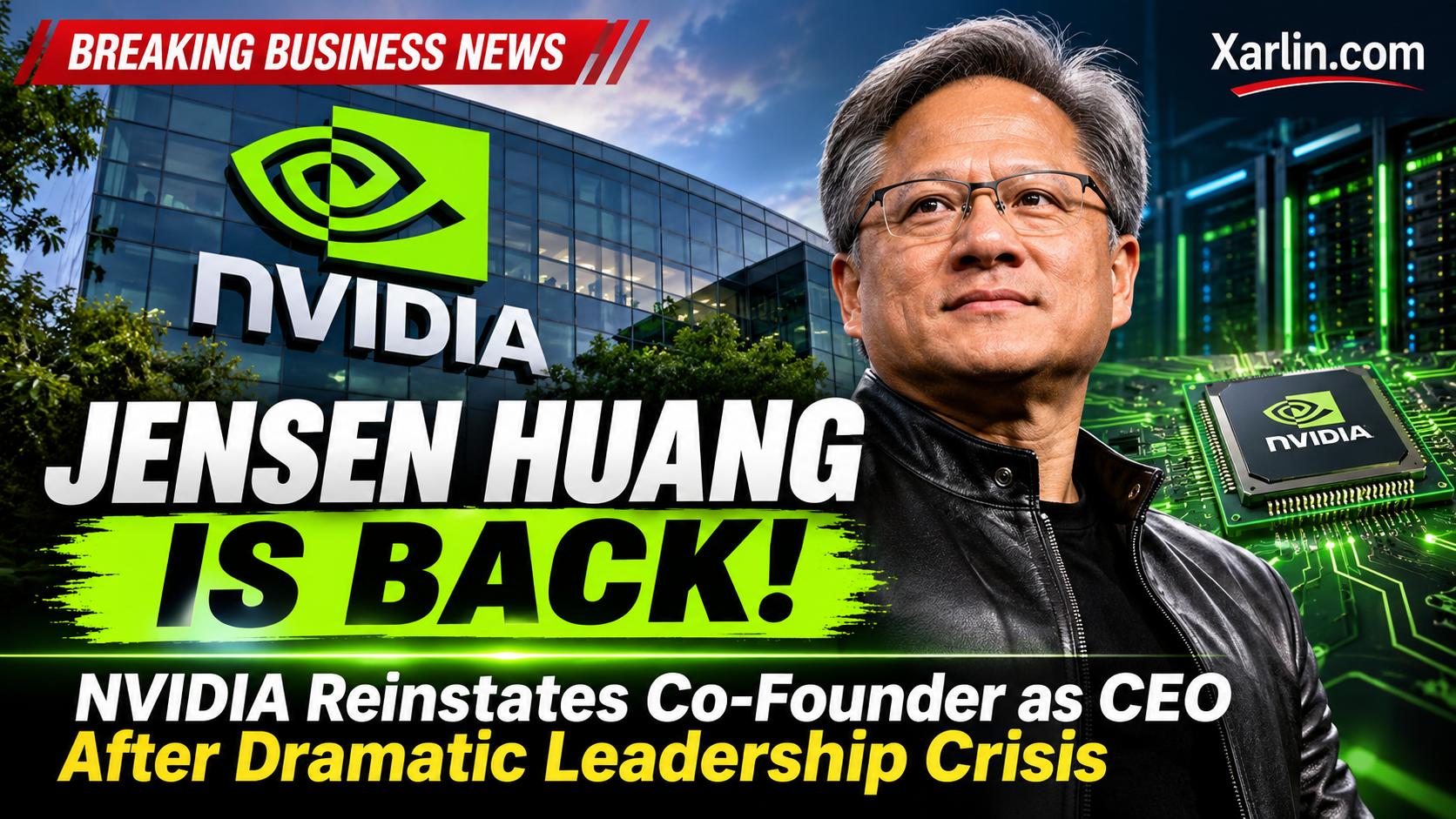
Former U.S. President Donald Trump has sparked intense debate across the technology and business world with a striking public suggestion: that Apple’s Tim Cook should step in to lead semiconductor giant Nvidia, following the reported departure of long-time chief executive Jensen Huang. The proposal has captured widespread attention, but it also raises critical questions about corporate governance, business realities, and the many hurdles that stand between an interesting idea and actual change.
The Story Behind the Headlines
In a public statement, Trump cited Cook’s decades of leadership at Apple, one of the world’s most valuable and respected companies, as strong preparation to lead Nvidia. “Tim Cook could be an outstanding leader for Nvidia,” Trump said. “He understands technology, international markets, and how to manage a company effectively.” The remarks followed reports that Jensen Huang—who founded Nvidia and turned it into a leading force in artificial intelligence hardware—had left his position as chief executive, putting the company in a period of change.
It is important to be clear from the outset: this is a public suggestion, not a confirmed appointment. Neither Nvidia nor Apple has announced an agreement or formal offer. Trump cannot appoint leaders at private companies, so his comments carry symbolic weight rather than executive authority. The story is noteworthy because of who made the suggestion and whom he named, but for now, it remains a talking point rather than a settled decision.
Why the Idea Gained Traction
On paper, the proposal’s appeal is clear. Tim Cook ranks among the world’s most respected business leaders. During his tenure, Apple expanded its global presence, developed a strong in-house chip design operation, and sustained remarkable financial success. His experience overseeing complex international supply chains, negotiating with governments, and leading large organizations could serve a company like Nvidia well. It operates across nearly every major market and faces fierce competition around the globe.
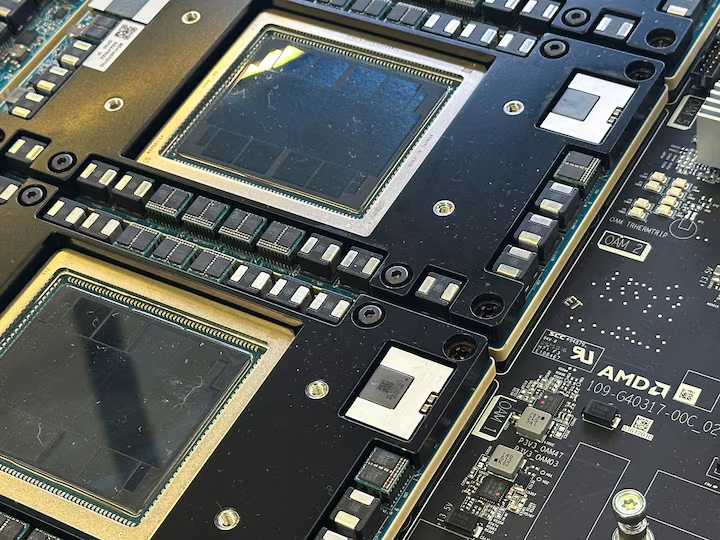
Nvidia, meanwhile, sits at the heart of the AI revolution. Its chips power many of the world’s large language models and data centres, and its choices shape technological progress across industries. The company needs a leader able to handle geopolitical strains, guide rapid growth, and protect its technological advantage. At first glance, Cook’s background seems well suited to those demands.
The Significant Barriers That Stand in the Way
Despite its appeal, the proposal faces serious obstacles. First, Nvidia and Apple are separate companies, each with its own board, shareholders, and decision-making process. No one, however influential, can simply appoint a leader to a public company. Nvidia’s board would oversee a thorough search, weigh several candidates, and choose someone in the interests of the company’s owners: its shareholders.
Second, conflicts of interest would be difficult to avoid. Apple designs its own processors and competes with Nvidia in some technology areas, while also buying from the company in others. If Cook led Nvidia, he would run a major competitor and supplier to his former company. That arrangement would raise concerns among regulators, shareholders, and business partners on both sides. Managing these competing interests would be exceptionally complicated.
Third, Cook still has responsibilities at Apple. Although he left the CEO position to become executive chairman, he remains closely involved in Apple’s strategy and governance. Leading another major technology company—particularly one with such strong business ties to Apple—would likely require him to sever those connections, with significant consequences for both organizations.
Finally, Nvidia’s culture and business model differ sharply from Apple’s. Nvidia sells mainly to businesses, researchers, and governments; Apple centers on consumer products and integrated ecosystems. Nvidia’s success often depends on close technical work with researchers and long-term industry partnerships. Those demands may not directly match Cook’s consumer technology experience.
What This Moment Really Tells Us
Beyond the headline’s drama, this discussion points to a broader shift in the technology industry. Semiconductors are now vital to economic power and national security, and chipmakers are increasingly treated as essential infrastructure. When a former president comments on who should lead one of these companies, it shows how corporate leadership has become a matter of public debate, extending well beyond boardrooms.
The episode also points to a limited supply of proven leaders in high-stakes technology. Few executives have managed global technology giants, which helps explain why the same names surface in industry discussions. Still, that shortage does not remove the safeguards against abrupt changes imposed from outside a company. Stability, continuity, and independent governance remain important to investor confidence and lasting success.
Looking Forward
For now, Nvidia’s search continues under interim chief Colette Kress, a respected finance executive who has spent years at the company. Tim Cook remains at Apple, while Jensen Huang—though no longer CEO—is still regarded as one of technology’s most influential figures. Whether Trump’s suggestion develops into anything more substantial, it offers an intriguing example of how public opinion, business interests, and corporate governance can sometimes point in different directions.
Nvidia’s board will most likely choose someone familiar with the company’s technology, culture, and place in the global market. Outside candidates can offer new perspectives, but they also bring uncertainty. In an industry built on trust, partnerships, and long-term planning, continuity remains among a company’s most valuable strengths.
XARLIN DESK